
Why Does My Tap Water Smell Like Chlorine? Causes & Fixes

Table of Contents
Why Chlorine Is Added to Tap Water and What the Smell Actually Means
Chlorine vs Chloramine in Water: What's the Difference and Why It Matters
How to Remove Chlorine from Tap Water: Practical Methods That Work
Health Risks of PFAS in Private Wells: Why Chlorine Isn't the Only Concern
Break Point Chlorination and Chemical Reactions with Your Plumbing
Seasonal Water Quality Changes and Other Reasons Your Water Smells Different
Last Updated: September 19, 2026
Why Chlorine Is Added to Tap Water and What the Smell Actually Means
If you're wondering why does my tap water smell like chlorine, the short answer is that chlorine is deliberately added to public drinking water as a disinfectant, and the smell you notice is residual chlorine doing its job. According to the CDC's drinking water disinfection guidance, chlorine and chloramine are the most common disinfectants used by water utilities because they kill bacteria, viruses, and other pathogens that can cause serious illness.
At Bevilacqua Pure, we talk with homeowners every week who notice a bleach-like odor in their water and assume something has gone wrong. Usually, nothing has. The smell is a sign that disinfection is working.

The Role of Water Treatment Plants in Your Water Supply
Water treatment plants add chlorine at two points: during initial treatment and again as the water leaves the facility. That second dose, called a residual, keeps the water safe as it travels through miles of pipes to your home. Without it, bacteria could regrow inside the water distribution system.
The EPA's information on chloramine in drinking water explains that utilities must maintain a detectable disinfectant residual at every point in the system, including the farthest tap. That requirement is why you can smell chlorine even when your water looks perfectly clear.
Why the Smell Gets Stronger Some Days and Not Others
Several conditions make the odor more noticeable. A water main break or scheduled system flushing stirs up sediment and prompts utilities to boost disinfectant levels temporarily. Warmer months also accelerate chlorine demand, so treatment plants often increase dosing in summer.
Your own plumbing matters too. Water sitting in pipes overnight picks up more chlorine by volume than water that has been running. If the smell is strongest at 7 a.m. and fades by noon, that's normal water chemistry, not a contamination event.
Chlorine vs Chloramine in Water: What's the Difference and Why It Matters
Chlorine is a single-element disinfectant that dissipates relatively quickly, while chloramine is chlorine chemically bonded with ammonia, which makes it far more stable and longer-lasting in the water distribution system. Many utilities have switched to chloramine because it produces fewer regulated disinfection byproducts and holds a residual longer.
That stability has a practical downside for homeowners. Chloramine does not evaporate from an open pitcher the way chlorine does, and it requires different filtration media to remove. If you have tried leaving a jug of water on the counter overnight and the medicinal taste stayed, you likely have chloramine, not plain chlorine.
Disinfectant | Stability | Removed by Open-Air Evaporation | Removed by Standard Carbon Filter |
Chlorine | Low, dissipates in hours | Yes, largely | Yes |
Chloramine | High, persists for weeks | No | Only with catalytic carbon |
Pro Tip Check your utility's annual water quality report to see which disinfectant it uses. The report lists chlorine or chloramine by name, and that single detail determines which filter type will actually work in your home.
Is Chlorine in Tap Water Harmful? What You Should Know
At the levels found in municipal water, chlorine is considered safe to drink and is credited with eliminating diseases like cholera and typhoid from public supplies. The EPA's National Primary Drinking Water Regulations set a maximum residual disinfectant level of 4 milligrams per liter for chlorine, and utilities test continuously to stay under it.
The more common complaint is not toxicity but annoyance: the taste, the smell, and the effect on skin and hair. Chlorine strips natural oils, and some people notice dryness or irritation after showering in heavily chlorinated water.
Health Implications of Long-Term Exposure
Research into long-term exposure focuses mainly on disinfection byproducts, which form when chlorine reacts with naturally occurring organic matter in source water. Trihalomethanes and haloacetic acids are the two main groups, and they are regulated because of associations with health effects at high exposure levels over many years.
What most guides miss is that the shower, not the drinking glass, can be the bigger exposure route for volatile compounds. Warm water and a confined space mean you can inhale more chlorination byproducts during a ten-minute shower than you swallow from drinking the same water.
When to Be Concerned About Your Water Quality
A strong chlorine smell alone is rarely a health emergency. Concern is warranted when the odor is accompanied by other signals: a sudden change in color or cloudiness, a smell like rotten eggs or fuel, recurring gastrointestinal illness in the household, or a water main break in your neighborhood.
If any of those appear, contact your water utility first. They will tell you whether a boil-water advisory is in effect and what caused the change.
How to Remove Chlorine from Tap Water: Practical Methods That Work
Removing chlorine from tap water is straightforward once you know which disinfectant your utility uses. The methods range from free and immediate to whole-home systems, and the right choice depends on whether you are treating drinking water only or every tap in the house.
Here are the practical options, ordered from simplest to most comprehensive:
Let water sit in an open container. Plain chlorine off-gasses within a few hours. This does nothing for chloramine.
Boil the water. Heat drives off chlorine quickly, though it concentrates other minerals.
Use a pitcher or faucet-mount carbon filter. Effective for chlorine, hit-or-miss for chloramine.
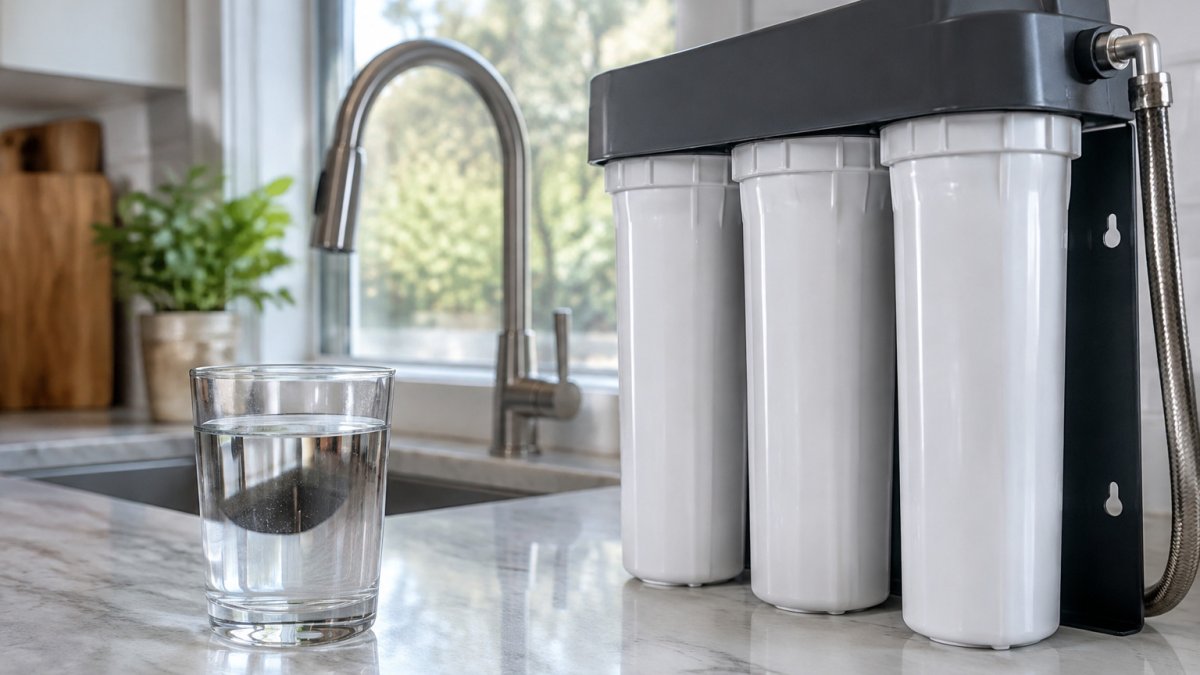
Install an under-sink reverse osmosis system. Removes chlorine, chloramine, and a broad range of other contaminants from drinking water.
Add whole-home filtration. Treats every tap, including showers and laundry.
Specific Filter Types for Chlorine and Chloramine Removal
Not all carbon is the same. Standard granular activated carbon handles chlorine well but breaks down chloramine poorly and can actually release ammonia as a byproduct. Catalytic carbon, a treated form of activated carbon, is designed specifically to break the chlorine-ammonia bond in chloramine.
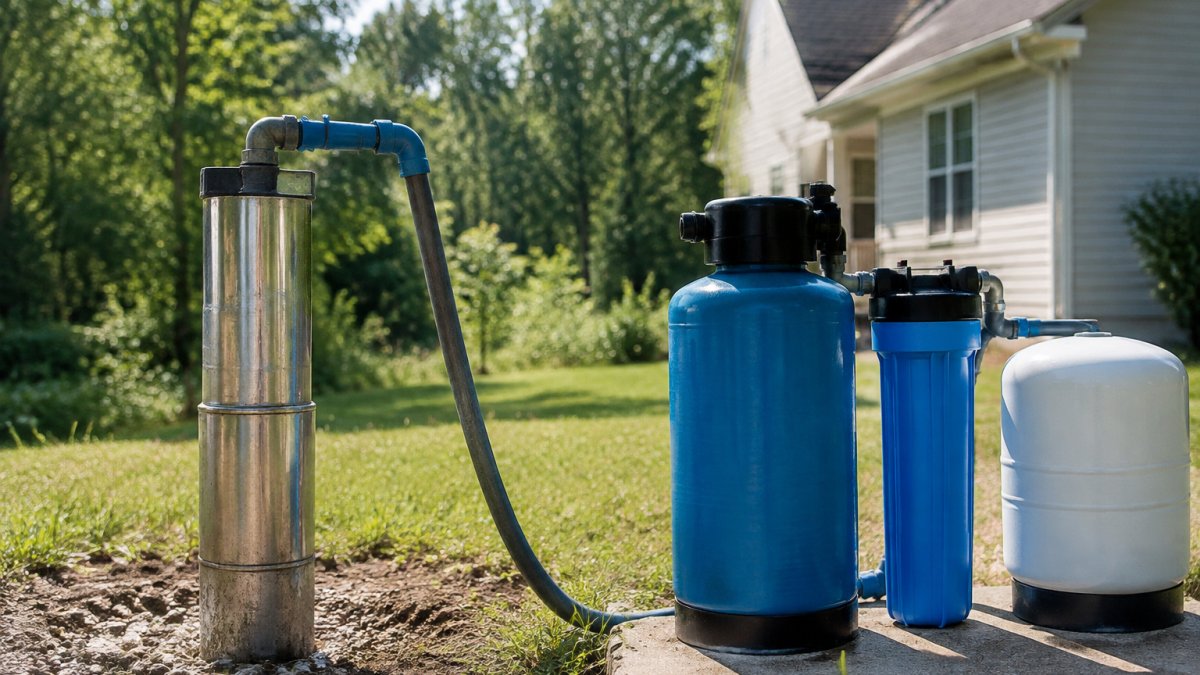
For whole-home treatment, a backwashing carbon tank ahead of the rest of your plumbing removes disinfectant before it reaches any fixture. For drinking and cooking water specifically, reverse osmosis paired with carbon pre-filtration gives the most thorough result.
Watch Out A standard carbon filter used on chloraminated water can leave you with an ammonia smell that is worse than the chlorine you started with. Confirm your disinfectant type before buying any filter.
DIY Water Testing Kits and What They Tell You
Most guides tell you to "test your water" without explaining what a home kit can and cannot detect. Here is the practical breakdown, because the type of strip you buy determines what question it can actually answer.
Total chlorine vs. free chlorine vs. combined chlorine. These are three different measurements, and confusing them is the most common mistake. Free chlorine is the active disinfectant still available to kill pathogens. Combined chlorine (chloramines) is chlorine that has already reacted with ammonia or organic matter. Total chlorine is the sum of the two. A strip labeled "total chlorine" tells you disinfectant is present but cannot tell you which form is causing the smell.
What to buy.
DPD test strips or a DPD color-comparator kit. DPD (N,N-diethyl-p-phenylenediamine) is the standard reagent for measuring free and total chlorine separately. A comparator kit with two readings lets you calculate combined chlorine by subtraction. This is the only home method that distinguishes free from combined chlorine without a lab.
Pool/spa test strips. These measure free and total chlorine in the same ranges found in tap water and are widely available, but their color charts are coarse. Use them for a yes/no reading, not a precise number.
Ammonia test strips. If your utility uses chloramine, an ammonia reading at the tap is a useful cross-check. Ammonia present alongside chlorine is consistent with chloramine; ammonia present without chlorine can indicate a filter that is breaking the chloramine bond and releasing ammonia.
OTD (orthotolidine) strips. Older chemistry, still sold, but they read total chlorine only and are being phased out. Skip them if DPD is available.
How to interpret a reading.
A free chlorine reading between roughly 0.2 and 2.0 mg/L at the tap is typical for a chlorinated system and is not a cause for concern on its own.
If free chlorine is near zero but total chlorine is elevated, you likely have chloramine, and combined chlorine is what you are smelling.
If both readings are near zero, the disinfectant residual has been consumed in your plumbing or your utility has switched treatment. That is worth a call to the utility.
A strong smell with a low strip reading usually means the odor is coming from something other than chlorine, a water heater anode, a drain, or a fixture, not from the disinfectant itself.
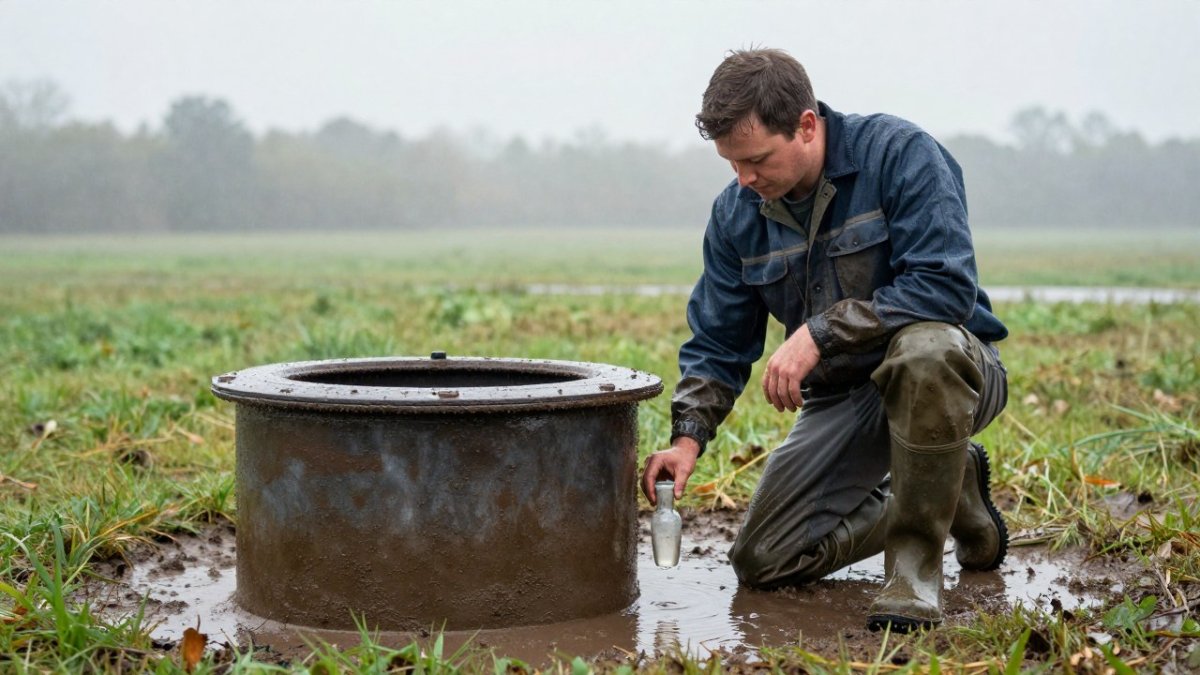
What home kits cannot do. Strips do not detect lead, PFAS, nitrate, arsenic, bacteria, or disinfection byproducts like trihalomethanes and haloacetic acids. If you want those answers, you need a certified laboratory. Many utilities and state-certified labs sell mail-in kits, and a certified lab is the only route to a legally defensible result for a real estate transaction or a health concern.
Pro Tip Test at two points: a cold kitchen tap first thing in the morning (worst-case residual) and the same tap after running for two minutes (system residual). Comparing the two tells you whether the smell is coming from your plumbing or from the utility's water.
A note on timing. Chlorine residual is highest in the morning because water has been sitting in the main overnight. If you test at 7 a.m. and again at 2 p.m., expect the afternoon reading to be lower. Test at the same time of day if you are comparing results week to week.
Health Risks of PFAS in Private Wells: Why Chlorine Isn't the Only Concern
Homeowners on private wells face a different problem: no utility is disinfecting their water, so a chlorine smell is unlikely, but PFAS contamination is a real and growing concern. PFAS, short for per- and polyfluoroalkyl substances, are synthetic chemicals that persist in the environment and accumulate in the body over time.
The EPA's PFAS drinking water health advisories note that exposure to certain PFAS has been linked to effects on the liver, immune system, and thyroid, along with some cancers. Because private wells are unregulated, testing is the only way to know whether PFAS is present.
If your water comes from a well and you have never tested for PFAS, that test matters more than any chlorine concern. Treatment typically involves granular activated carbon or reverse osmosis, sized to your specific test results.
Break Point Chlorination and Chemical Reactions with Your Plumbing
Break point chlorination is the point at which added chlorine has fully oxidized all the ammonia and organic matter in the water, leaving only free chlorine residual behind. Before that point, chlorine combines with ammonia to form chloramines, which produce the sharpest medicinal taste and odor.
This is why the smell in your water can shift over a single day. When combined chlorine dominates, the odor is harsher. Once the utility pushes past the break point, the water carries free chlorine instead, and the smell changes character.
How Chlorine Interacts with Rubber Seals and Plumbing Components
Chlorine is an oxidizer, and oxidizers attack rubber over time. Toilet flappers, faucet O-rings, washing machine hoses, and rubber seals in plumbing components degrade faster in chlorinated water, which shows up as cracked flappers, dripping faucets, and premature hose failure.
The effect is slow and cumulative, not sudden. If you are replacing rubber parts in your plumbing more often than seems reasonable, disinfectant exposure is a plausible contributor.
Seasonal Water Quality Changes and Other Reasons Your Water Smells Different
Water quality shifts with the seasons, and the chlorine smell shifts with it. The pattern is not random, it follows the same physical and chemical drivers every year, and once you know them you can predict when your water will taste and smell stronger.
Spring: Runoff and the Organic Load
Spring runoff carries extra organic material, leaves, soil, agricultural residue, into reservoirs and rivers. That organic matter consumes chlorine as it oxidizes, so utilities must dose higher to maintain the required residual at the farthest tap. The result is a stronger chlorine smell even though the utility is doing exactly what it should.
Heavy rainfall does the same thing on a shorter timescale. A single large storm can push turbidity and organic carbon into a source water intake within hours, and utilities respond by increasing disinfectant dose and sometimes switching to a more aggressive treatment regimen until the water clears. If your water smells noticeably stronger for a few days after a major storm, that is the likely cause.
Summer: Heat, Algae, and Higher Demand
Warmer water accelerates the reactions that consume chlorine, so treatment plants often increase dosing through the summer. Warm source water also promotes algae growth, and algae produce taste-and-odor compounds, geosmin and 2-methylisoborneol (MIB) are the two best known, that utilities treat with additional chlorine or with powdered activated carbon. Those compounds are not harmful, but they can make water smell earthy or musty, and the extra chlorine used to address them can make the chlorine odor more pronounced.
Summer is also when utilities do the most system flushing and main repair work, both of which stir sediment and prompt temporary disinfectant boosts.
Fall and Winter: Turnover and Lower Demand
Fall and winter usually bring cooler, clearer source water and lower disinfectant demand, so the chlorine smell often fades. But two winter events can reverse that:
Lake turnover. In lakes and reservoirs, falling surface temperatures cause the water column to mix, bringing up bottom water that is higher in manganese, iron, and organic matter. Utilities may need to increase treatment, and the resulting water can taste and smell different for weeks.
Freeze-thaw main breaks. Cold snaps crack aging mains, and each repair is followed by a temporary disinfectant boost and a flushing cycle. If your water smells stronger in January, a nearby main break is a plausible cause.
What to Do With This Pattern
If your water smells noticeably stronger from roughly April through September, that is consistent with normal seasonal water chemistry, not a contamination event. The practical steps are:
Check your utility's annual water quality report for the disinfectant type and any seasonal notes.
Check the utility's outage and flushing page during a strong-smell episode. Scheduled flushing is often announced in advance.
Run the cold tap for two to three minutes before drinking or cooking during a flushing period. This clears the sediment and high-residual water sitting in your service line.
Avoid hot water for drinking and cooking during a flushing event. Hot water dissolves more of whatever is in the pipes and can concentrate sediment.
Other Causes Worth Ruling Out
Seasonal chemistry is not the only reason water smells different. Rule out these before assuming a utility issue:
A recent water main break nearby. Sediment and a temporary disinfectant boost are common after repairs.
New plumbing. A newly installed water heater, softener, or repiped section can introduce odors for the first few weeks as materials cure and flush.
A failing water heater. The magnesium or aluminum anode rod can react with sulfate in the water to produce hydrogen sulfide, which smells like rotten eggs. People often mistake this for chlorine because both are sharp, but the fix is a water heater service, not a filter.
A dry drain trap or biofilm in a drain. A sink or floor drain that has dried out lets sewer gas into the room, and the smell can be mistaken for a water odor. Run water down every drain in the house once a week to keep traps sealed.
A water softener. A softener that is regenerating or has a failing resin bed can leave a salty or chemical taste that some people describe as chlorine-like.
Key Takeaway Seasonal chlorine smell is a predictable, annual pattern driven by source-water quality and disinfectant demand. If the smell tracks with spring runoff, summer heat, or a nearby main break, it is almost certainly normal. If it appears suddenly with no seasonal or utility explanation, rule out the water heater and drains before assuming the water itself is the problem.
Conclusion
A chlorine smell in tap water is usually a sign that disinfection is working, not that something has gone wrong. The real question is whether the taste, odor, and long-term exposure are acceptable in your home, and that depends on your specific water.
If the smell, taste, or mineral buildup in your water has become a daily annoyance, Bevilacqua Pure can help you understand exactly what is coming out of your taps.
Frequently Asked Questions
Should you drink tap water if it smells like chlorine?
Tap water with a chlorine smell is generally safe to drink. The EPA requires water utilities to maintain a chlorine residual throughout the distribution system to prevent bacterial contamination. The odor threshold for chlorine is very low, meaning you can smell it even at concentrations well below what's considered harmful. If the smell is accompanied by a medicinal taste or unusual color, that's when you should contact your water utility or have your water tested.
How can I remove the chlorine smell from my home water?
You can reduce chlorine smell by letting water sit in an open pitcher for a few hours so chlorine dissipates, or by using an activated carbon filter. For whole-home treatment, a carbon-based filtration system removes chlorine at the point where water enters your home. If your water contains chloramine instead of chlorine, you'll need a system specifically designed for chloramine removal, since chloramine doesn't dissipate the same way.
Why does my water suddenly smell like chlorine when it didn't before?
A sudden chlorine smell usually happens after your water utility performs a system flush or switches disinfectants. Utilities sometimes temporarily increase chlorine levels or switch from chloramine to chlorine to clean the distribution system. A water main break can also stir up sediment and require a temporary chlorine boost. This is typically temporary and not a sign of a problem with your plumbing.
Does a chlorine smell indicate a problem with my pipes?
A chlorine smell in your water almost always comes from the municipal treatment process, not your pipes. However, if the smell is only in hot water, it could indicate a reaction between chlorine and organic matter in your water heater. If the smell is accompanied by a rotten egg odor, that's a different issue entirely and likely points to bacteria in your water heater or plumbing.
Comments